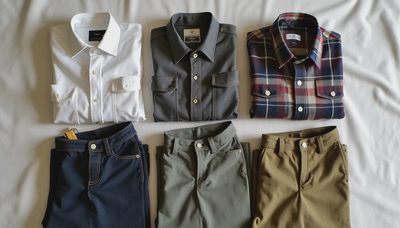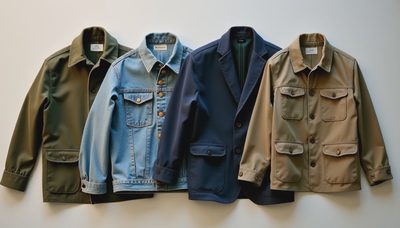
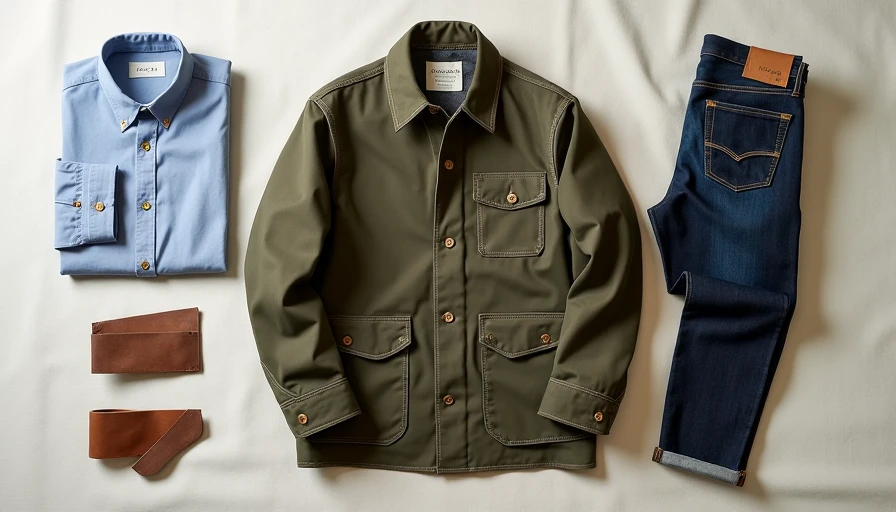

Thrift stores and vintage shops have been one of my favorite weekend activities since my retail days. There’s nothing quite like pulling a perfectly worn-in chore coat or a pair of 90s Levi’s out of the racks for a fraction of the new price. But I’ve also brought home regrets that looked good under fluorescent lights and fell apart after one wash.
After years of hunting, I’ve narrowed it down to eight non-negotiable checks I run through before handing over any cash. These have saved me from plenty of bad buys and helped me build a solid rotation of pieces that still get worn regularly.
1. Shoulders and Overall Fit
This is always my first check — even before I look at the price tag.
I hold the piece up and visually line up the shoulder seams with where my own shoulders would sit. Then I check for any pulling or distortion across the chest and back. Vintage sizing can be wildly inconsistent, especially with older brands, so I’m ruthless here. If the shoulders are off, I put it back immediately. No amount of “character” fixes bad shoulder fit.
2. Fabric Integrity and Wear Patterns
I run my hands over the entire garment looking for thin spots, especially at elbows, knees, seat, and cuffs.
Hold it up to the light if possible — you’ll spot weak areas fast. Light pilling or minor fading is fine (that’s the vintage charm), but fraying seams, holes, or threadbare zones are immediate no-gos unless I’m willing to pay for repairs.
I also smell the piece. Musty or cigarette smoke odors can sometimes be washed out, but strong mildew is usually a deal-breaker.
3. Stitching and Construction Quality
Good vintage pieces show solid construction. I flip them inside out and check:
Seam allowances (generous is better)
Stitch density and evenness
Whether buttons are original and secure
Collar and cuff interlining condition
Heavyweight vintage pieces from the 80s and 90s often beat modern fast fashion in construction. If the stitching looks sloppy or repaired poorly, I walk away.
4. Pant-Specific Checks (Rise, Break, and Crotch)
For pants and chinos, I’m extra careful:
Is the rise appropriate for how I wear pants? (Too low and it feels wrong immediately)
Any wear or shine in the crotch or seat area?
Leg opening and taper — does it match my preferred silhouette?
Hem condition — easy to alter, but I factor in the cost
A good pair of vintage Levi’s or chinos with solid construction is worth its weight in gold.
5. Color and Fade Consistency
Especially with denim and outerwear. Check that the fading or wear looks natural and even. One leg significantly lighter than the other or weird bleach spots usually means it sat in the sun too long or had uneven use.
For shirts and jackets, I make sure the collar and cuffs aren’t drastically more faded than the body — a sign of heavy previous wear.
6. Brand, Era, and Label Condition
I always check the label for brand and care instructions. Not because I chase names, but because certain eras and makers are known for better quality.
Pre-2000s American brands often win on fabric weight and durability
Union-made labels or specific manufacturing tags can signal higher quality
Make sure the label isn’t falling apart or obviously reattached
7. Overall Proportion and Silhouette
I hold the piece at arm’s length and ask: Does this have a shape I actually like? Some vintage cuts are boxy in ways that don’t flatter modern bodies. Others have beautiful tapered silhouettes that are hard to find new.
This check prevents bringing home “cool but unwearable” pieces.
8. Price vs. Potential Value
My mental math: Would I pay full price for this condition if it were new? If the answer is no, I negotiate or walk.
Great finds for me usually land in these ranges:
Button-ups and polos: $8–18
Chinos/jeans: $12–25
Chore coats or denim jackets: $20–35
Quality sweaters: $10–22
Anything above that needs to be exceptional.
My Best Thrift Store Strategy
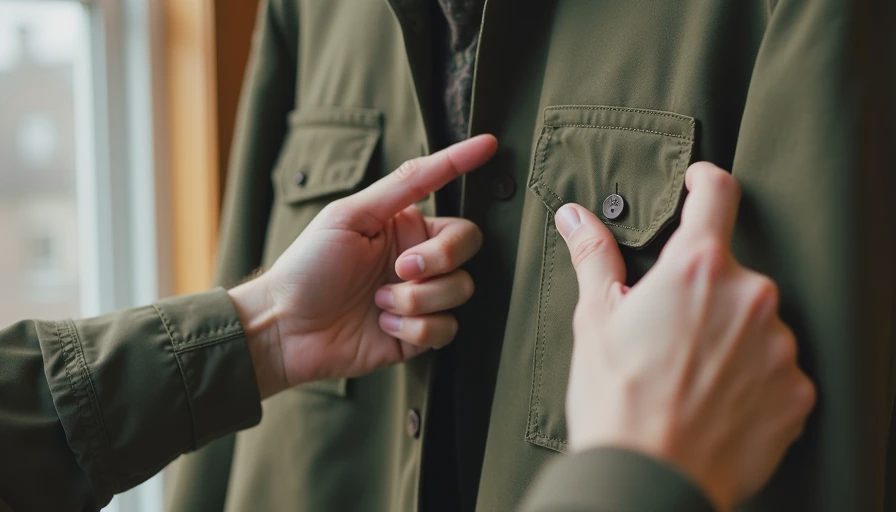
I hit the racks with a system: outerwear first, then pants, then shirts, then everything else. This keeps me focused and prevents decision fatigue. I also have a “maybe” pile I revisit at the end with fresh eyes.
Pro tip: Go early on weekdays if possible. The best stuff moves fast on weekends.
Real Finds That Still Live in My Rotation
A faded olive chore coat from the early 90s that’s been my go-to layering piece for three years ($22)
Straight-fit dark wash Levi’s 501s with perfect break ($15)
A heavyweight navy crewneck sweatshirt that feels better than most new ones ($12)
These pieces get more compliments than anything I’ve bought new in the last couple of years.
What I Never Buy Secondhand
Shoes or boots (hygiene and wear issues)
Underwear or base layers
Anything with heavy stains or strong odors I can’t remove
Formal suits unless I have time for tailoring
Building a Smart Secondhand Wardrobe
The beauty of thrift hunting is it forces better judgment. You can’t rely on newness or marketing — you have to evaluate the piece on its own merits. This skill carries over to all your shopping, new or used.
Start small. Give yourself permission to walk away from 90% of what you touch. The 10% that passes all eight checks will be worth it.
Next time you’re in a thrift store, slow down and run through this list. You’ll bring home better pieces, waste less money, and build a more interesting, character-filled wardrobe.
Thrifting done right isn’t just saving money — it’s finding better quality than most new stuff at the mall.
Look clean. Keep the change.