
Fall in the Midwest hits different. One day it’s 75°F and the next you’re reaching for a layer. That’s exactly why I love thrift stores this time of year — they become goldmines for good jackets as people clean out their closets for the new season.
After years of weekend hunting and dressing customers who wanted versatile outer layers without spending $150+, I’ve learned which jackets consistently deliver the best value secondhand. Here’s my current hit list for this fall.
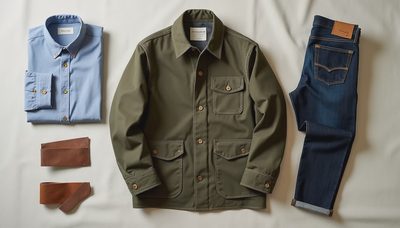
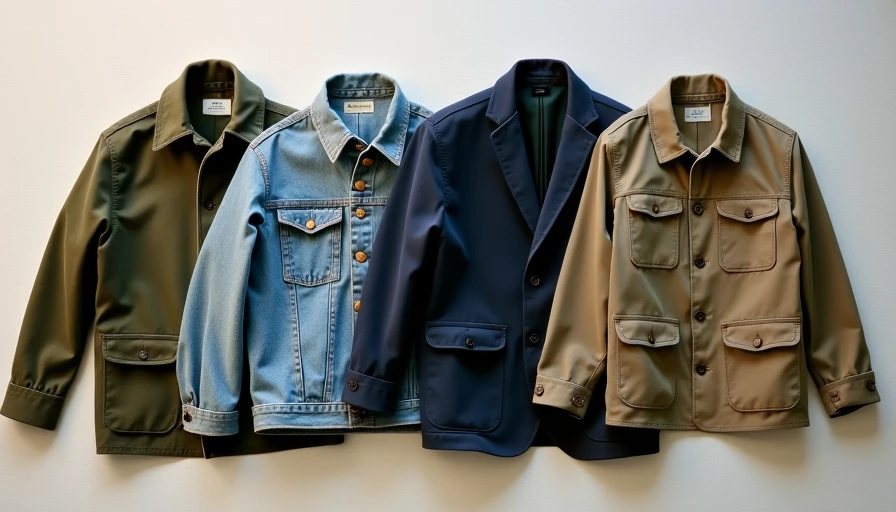
1. Chore Coats / Work Jackets
These are my number one recommendation right now.
Why they win:
Heavy cotton canvas or twill that gets better with age
Multiple useful pockets
Boxy but flattering cut that layers easily
Works over tees, oxfords, or crewnecks
Look for brands like Carhartt (older ones), Dickies, or generic workwear labels from the 80s–2000s. Olive, navy, and faded brown are the colors that mix with everything. Check the elbows and cuffs for wear, but minor fading is actually a bonus.
2. Denim Trucker Jackets
A classic for good reason. A well-worn trucker jacket adds instant texture and character to almost any outfit.
What to hunt:
Levi’s, Wrangler, or Gap from the 90s
Good weight denim (not too thin)
Original buttons still intact
Some natural fade and whiskering
These pair perfectly with chinos for a smart casual look or with hoodies for weekends. Size down if needed — they’re meant to be worn over lighter layers.
3. Wool Blend Blazers / Sport Coats
Thrift stores are full of these in fall. Many guys donate their “I tried to dress up” blazers.
Target:
Navy, charcoal, or subtle herringbone patterns
Natural shoulder construction (not overly padded)
Wool or wool-blend fabrics
Two-button styles
These are fantastic for business casual offices or layering over crewnecks on cooler days. A $25 thrift blazer that fits well often beats a $200 new one in character.
4. Field Jackets / Utility Jackets
Military-inspired or outdoor field jackets offer great functionality.
Look for:
M65 style or similar with four front pockets
Cotton or lightweight waxed canvas
Olive, khaki, or navy
Functional snaps and zippers
These are tough, versatile, and age incredibly well. Perfect for unpredictable fall weather.
5. Lightweight Fleece or Sherpa-Lined Jackets
For colder days, a good quarter-zip fleece or sherpa-lined jacket is pure comfort.
Prioritize:
Patagonia, Columbia, or Eddie Bauer (older models)
Solid colors over loud patterns
Clean zippers and minimal pilling
These layer beautifully under chore coats when the temperature drops.
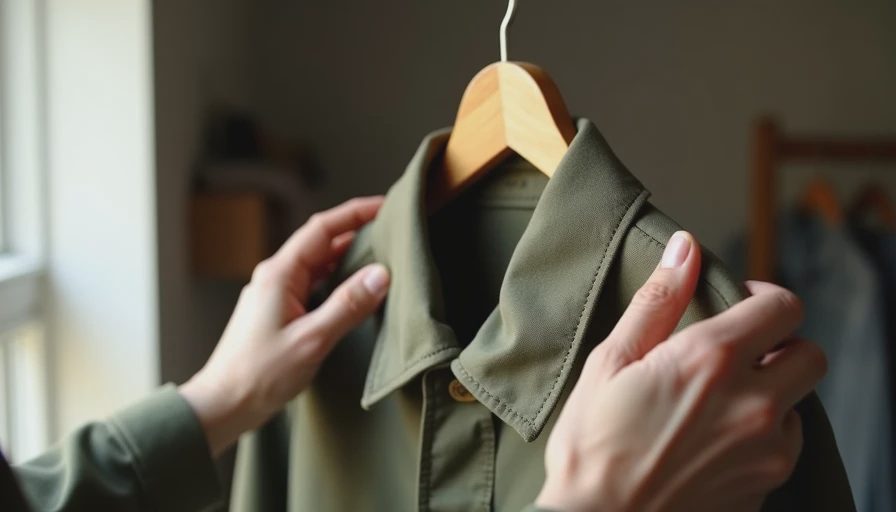
What I Always Check Before Buying Any Jacket
Shoulders: Critical. Seam should sit where your shoulder ends.
Length: Should cover your waistband and hit around mid-hip or slightly lower.
Closure: Zippers and buttons must work smoothly.
Lining: Check for rips or detached lining.
Smell & Stains: Minor issues can often be fixed, but heavy mustiness or visible stains are usually no-gos.
Fit Test: Try it on over a shirt or crewneck — the way you’ll actually wear it.
My Best Recent Scores
Olive Carhartt chore coat, barely worn — $18
Faded Levi’s trucker in perfect weight denim — $22
Navy wool-blend blazer that needed only minor sleeve adjustment — $15
All three get worn constantly this time of year and still look better than most new options in their price range.
Pro Hunting Tips for Fall
Hit stores mid-week if possible — weekends get picked over fast.
Check the men’s coat section first, then workwear and outdoor sections.
Don’t ignore “women’s” sections for oversized chore coats or field jackets — they often have great cuts.
Bring a lightweight base layer shirt so you can try things on properly.
Have a tailor’s number ready — small adjustments make good finds great.
Building a Smart Jacket Rotation
Aim for 3–4 solid jackets that cover different weather scenarios:
Light canvas chore coat (early fall)
Denim trucker (mid fall)
Wool blazer or heavier field jacket (colder days)
Fleece for casual warmth
This gives you variety without clutter.
Why Thrift Jackets Beat Most New Ones
New “fashion” jackets are often overpriced, too thin, or poorly constructed. Thrift jackets were built for real work or real life — heavier fabrics, better construction, and they already have that desirable lived-in feel.
Plus, you’re keeping good pieces out of landfills and saving serious money.
Final Advice
This fall, instead of buying one new $120 “fall jacket” from a big box store, spend a few weekends hunting. You’ll likely come home with two or three better pieces for the same total price — each with more character and better construction.
Slow down in the aisles. Check the details. Be picky. The right jacket is almost always waiting on some random rack.
Look clean. Keep the change.