
Let's be real — the phrase "smart casual" gets thrown around a lot, but it's rarely clear what it actually means for guys who sit in an office. I’ve helped dozens of guys figure out the smart casual office men look over the years, and the number one mistake is either dressing too stiff or too sloppy. The sweet spot is a blend of structure and ease that says you take your work seriously but you're not trying to impress anyone with a three-piece suit.
This guide is for the guy who wants to walk into the office looking clean, put-together, and comfortable — without blowing his whole paycheck or spending an hour deciding what to wear. I'm going to break down the core pieces, the rules of thumb, and a few example outfits that work for most modern workplaces.

What Does Smart Casual Actually Mean for Office Men?
Smart casual is the middle ground between business formal and weekend wear. For office men, it usually means you can skip the tie and the suit jacket, but you still need to look intentional. Think tailored chinos instead of wrinkled khakis, a blazer over a sweater instead of a hoodie, and leather shoes instead of sneakers (though clean minimalist sneakers can work in some offices).
The key is contrast — you want one or two dressier pieces balanced with something more relaxed. For example, a navy blazer with a henley and denim is too casual for most offices, but swap the henley for a button-down and the denim for chinos, and you've nailed the smart casual office men formula. The goal is to look like you dressed on purpose, not like you grabbed whatever was clean.
The Foundation Pieces Every Smart Casual Office Wardrobe Needs
You don't need a huge closet to get this right. Start with these five categories and build from there. Each piece should fit well — shoulders aligned, sleeves not too long, pants hemmed with a slight break or no break for a modern look.
1. The Blazer or Sports Jacket
A navy or charcoal blazer is the MVP of smart casual. It instantly elevates any outfit. Go for a texture like wool or cotton twill — smooth worsted wool is too formal. Unstructured shoulders and patch pockets keep it relaxed. I like the J.Crew Ludlow blazer on sale, or a thrifted Brooks Brothers if you know your size.
2. Button-Down Shirts
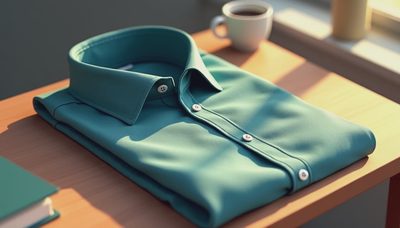
Oxford cloth button-downs (OCBDs) are your best friend. Their soft collar works with or without a tie. Stick to solid whites, light blues, and subtle stripes. Skip the stiff dress shirts with spread collars — they look too corporate. Uniqlo's Oxford shirts are a solid entry at $40, and they hold up well.
3. Chinos and Wool Trousers
Chinos in neutral colors — navy, khaki, olive — are the backbone. Make sure they're not baggy; a slim-straight cut is the most versatile. For colder months, add a pair of wool trousers in charcoal or light grey. Gap and Banana Republic have good options that won't break the bank.
4. Knitwear
A merino wool crewneck or a cashmere-blend sweater looks polished over a collared shirt or worn alone. V-necks are a bit dated; stick to crewnecks or quarter-zips for a modern silhouette. Everlane's merino sweaters are a great value at about $80.
5. Shoes
Loafers, derbies, chukka boots, or clean minimal white sneakers (if your office allows them) are your go-tos. Penny loafers in calfskin or suede work with chinos and wool trousers. Clarks Desert Boots in beeswax leather are a classic choice that's hard to beat under $150.
Three Smart Casual Office Outfits You Can Wear This Week
Let me give you three concrete combinations that will work for 90% of smart casual office environments. Swap colors and textures based on season, but keep the structure the same.
Outfit 1: The Blazer and Chinos Classic
- Navy blazer (unstructured)
- Light blue OCBD
- Khaki chinos (slim straight)
- Brown leather loafers
This is the gold standard of smart casual office men. It's polished enough for a meeting with senior leadership but comfortable enough for a day at your desk. Roll the sleeves on your shirt once, and skip the tie.
Outfit 2: Sweater and Chinos (No Blazer)
- Charcoal merino crewneck sweater
- White OCBD underneath (collar out)
- Olive chinos
- Dark brown chukka boots
This works when you want to look less formal but still professional. The sweater adds texture, and the boots give it an edge. If it's hot, swap the sweater for a linen blazer and wear the OCBD alone.
Outfit 3: Casual Friday with a Jacket
- Unstructured tweed or cotton jacket
- Heavyweight henley or polo (no logo)
- Dark navy chinos
- Clean white leather sneakers (e.g., Common Projects or a budget alternative)
This is for the office where Friday means jeans for everyone else. By swapping denim for chinos and wearing a jacket, you still look like you belong at work — not at the grocery store.
Smart Casual Office Men: Do's and Don'ts
Do invest in a good tailor. A $30 alteration can make a $50 blazer look like a $300 one. Shorten sleeves, hem pants, and take in the waist if needed.
Don't wear sneakers that look like you're about to hit the gym. If you wear sneakers, they should be clean, minimal, and leather (white or black). No mesh, no big logos.
Do pay attention to collar fit. If your button-down feels tight at the neck or gaps at the collar band, size up or try a different brand. A badly fitting shirt ruins the whole outfit.
Don't overdo accessories. A simple leather watch (maybe a Timex or Seiko) and a wedding ring if you have one is enough. No bracelets, no statement belts, no wallet chains.
Do keep a spare blazer at your desk if your office is cold or you have an unexpected client meeting. A blazer can turn a sweater-and-chinos combo into a meeting-ready outfit in seconds.
Final Thoughts on the Smart Casual Office Men Look
The whole point of smart casual is to make your work life easier — not harder. You're not trying to win a fashion award. You're trying to look like a competent adult who doesn't need to think too hard about clothes. When you nail the proportions and pick versatile pieces, you can rotate the same 10 items into dozens of outfits.
For most guys, the smart casual office men approach comes down to three things: fit, fabric, and color. Spend your budget on a blazer and shoes that fit perfectly, then fill in with affordable shirts and pants. Avoid synthetics that shine or wrinkle easily. Stick to navy, grey, olive, and white as your core palette — then add one accent color (like burgundy or forest green) if you want variety.
That's the blueprint. Now go look clean. And keep the change.