
If you've ever stood in front of your closet wondering what is office casual dress code exactly, you're not alone. It's one of those terms that sounds straightforward until you realize your coworker's idea of casual is a wrinkled polo and yours is a button-down with chinos. I've spent years on the retail floor helping guys navigate this exact gray area, and the truth is simpler than most make it. Office casual means pulling off a relaxed, approachable look that still signals you're there to work. No ties, no suits, but no shorts or flip-flops either. It's the sweet spot between formal and weekend wear.
The Core Components of an Office Casual Wardrobe
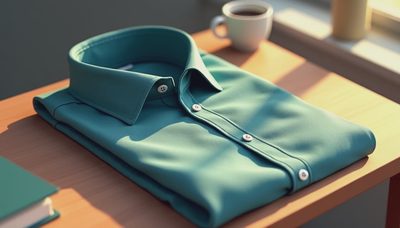
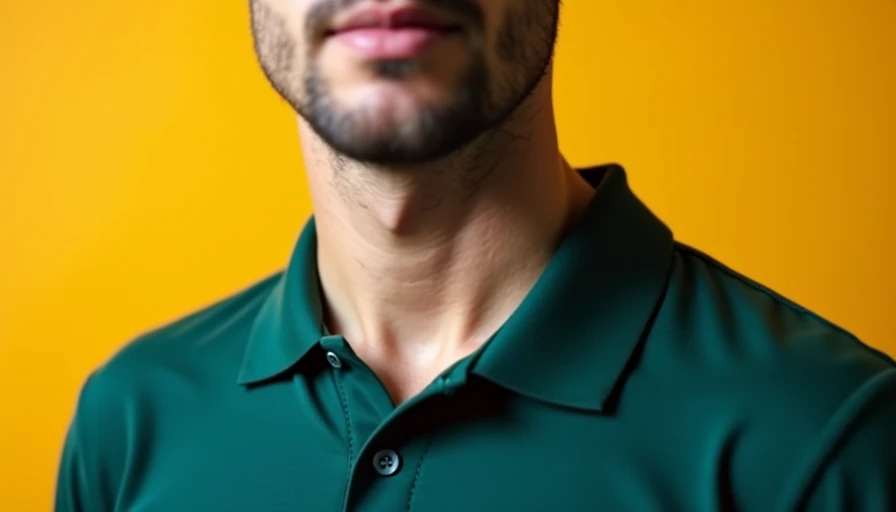
Building an office casual wardrobe doesn't require a hundred new pieces. Start with a few versatile essentials that mix and match. Think tailored chinos in neutral colors like khaki, navy, or charcoal. Pair them with button-down shirts in solid colors or subtle patterns like gingham or checks. A quality polo shirt works too, especially in warmer months. For layering, add a lightweight sweater or a casual blazer. Avoid anything with logos or slogans. Shoes matter too: leather loafers, desert boots, or clean white sneakers (if your office is relaxed enough) keep things polished without looking like you're headed to a meeting with the CEO.
When guys ask me what is office casual dress code, I tell them to think "dressed up enough to grab lunch with a client, but comfortable enough to sit at your desk for eight hours." That means fabrics should breathe and fit should be relaxed but not sloppy. A well-fitting pair of chinos from J.Crew or Bonobos, a Uniqlo Oxford cloth button-down, and Clark's desert boots will get you through 90% of office casual situations.
Common Office Casual Mistakes Guys Make
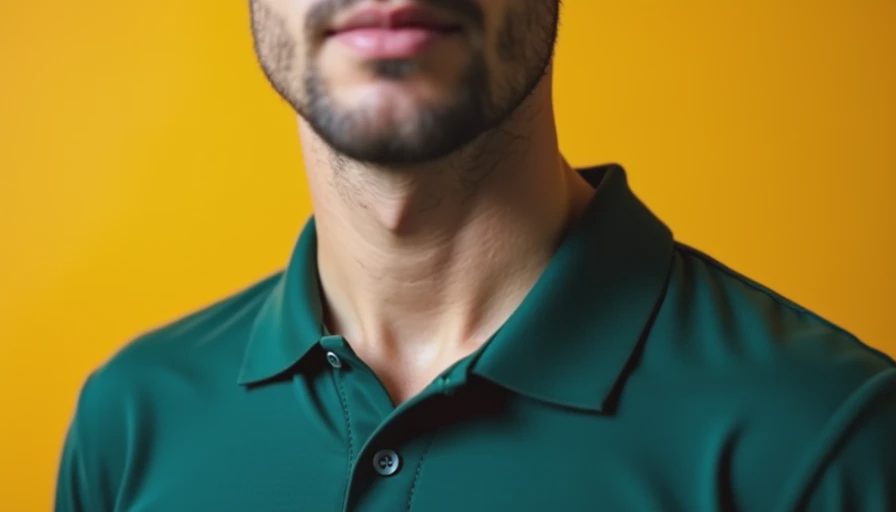
Even with a clear definition, it's easy to slip up. The biggest mistake I see is treating casual like it means sloppy. That means wrinkled shirts, baggy pants, or worn-out sneakers. Another common error is going too far the other way—wearing a sport coat with jeans that look like you're trying too hard. Office casual should feel effortless. If you're constantly adjusting your collar or tugging at your sleeves, something's off.
A frequent question I hear is whether jeans are allowed. The answer: it depends on your workplace. Some offices let you wear dark, clean denim with no rips or fading. Others expect you to stick to chinos. When in doubt, ask HR or observe what people in more senior roles wear. Also, avoid over-accessorizing. A simple watch and a belt that matches your shoes is plenty.
Remember, what is office casual dress code in one office might differ in another. The key is to dial it in based on your specific environment. If you're unsure, start on the dressier side and adjust as you learn the culture.
How to Build Your Office Casual Capsule
A capsule approach saves money and decision fatigue. Pick five to seven tops, three to four bottoms, and two to three pairs of shoes that all work together. Here's a starter list I recommend:
- 2 button-down shirts (one white, one blue or light check)
- 2 polo shirts (breton stripe or solid)
- 1 lightweight crewneck sweater (grey or navy)
- 2 chinos (khaki and navy)
- 1 pair of dark, slim-fit jeans (optional)
- 1 pair of brown leather loafers
- 1 pair of clean white sneakers
That's enough for a two-week rotation without repeating an outfit. Spend a little more on fit and fabric over brand names. Uniqlo, Banana Republic Factory, and J.Crew Factory offer great value for office casual basics. If you have the budget, Bonobos and Everlane also nail the fit.

The Role of Fit in Office Casual
Fit is everything. You can wear the most expensive shirt, but if it's too long or billowy, it looks unprofessional. Conversely, a $30 shirt that fits well looks better than a $100 shirt that doesn't. For office casual, aim for a slim but not tight silhouette. Shoulder seams should hit exactly at the edge of your shoulders. Sleeves should end at your wrist bone when your arms are at your sides. Pant length should break just once on your shoe—no pooling around the ankles.
When you understand what is office casual dress code, you realize the real secret is having clothes that fit your body. That's why I always recommend getting a tailor for your pants and shirt hems. A $15 alteration can transform an off-the-rack piece into something that looks custom.
Putting It All Together with Outfit Examples
Let's walk through three real outfits that nail office casual.
Outfit 1: The Monday Standard. Navy chinos, a light blue button-down, brown leather belt and loafers. Add a navy crewneck sweater over the shirt if you have a meeting. This is your go-to when you need to look put-together without overthinking.
Outfit 2: The Friday Light. Dark wash slim jeans (no rips), a white polo, and clean white sneakers. Keep the sneakers crisp—no scuffs or yellow soles. This works for offices with a more relaxed vibe.
Outfit 3: The Layer Up. Khaki chinos, a heather grey t-shirt, unbuttoned, with an olive field jacket or casual blazer on top. Finish with desert boots. It's casual but intentional.
All three outfits stay true to what is office casual dress code: professional enough for work, comfortable enough for real life. The goal is to look clean and put together without looking like you're trying to impress anyone. That confidence comes from knowing your clothes fit well and work together.
So next time you're staring at your closet, remember the core ideas: tailored but relaxed, clean but not stiff, and always fit-first. You don't need a new wardrobe—you need a better plan. Look clean. Keep the change.