
After years on the retail floor handling thousands of garments, I developed a fast mental checklist. Most guys overpay for hype or buy too cheap and regret it quickly. The sweet spot is “fair” — solid value that lasts and looks good.
This post breaks down how I judge menswear in under five minutes, whether I’m in a store, thrift shop, or browsing online. It’s saved me (and many customers) from plenty of bad purchases.
The 5-Minute Judgment Framework
I run through four main factors in order:
First Impression & Proportion (30 seconds)
Fabric Quality & Hand Feel (60 seconds)
Construction Details (2 minutes)
Fit on Body + Price Context (1–2 minutes)
Let’s break it down.
1. First Impression: Does It Look “Right”?
Before touching anything, I ask: Does the overall silhouette look balanced and intentional?
Are the shoulders properly structured?
Does the length feel correct?
Is there weird bagginess or pulling even on the hanger?
If it looks off on the rack, it rarely improves on the body. This quick visual filter eliminates about 60% of questionable pieces immediately.
2. Fabric: The Hand Feel Test
This is where most cheap vs. fair decisions happen.
Good signs:
Heft and weight that feels substantial but not stiff
Natural fibers with some drape (cotton, wool blends, good denim)
Smooth but not slippery hand feel
Consistent color with minimal pilling potential
Red flags:
Paper-thin fabric that wrinkles instantly
Scratchy or overly synthetic feel
Shiny “slick” finish on budget chinos
Loose weave that will stretch out fast
A $35 oxford with good cotton weight beats a $90 “premium” one that feels like tissue paper.
3. Construction Details That Matter
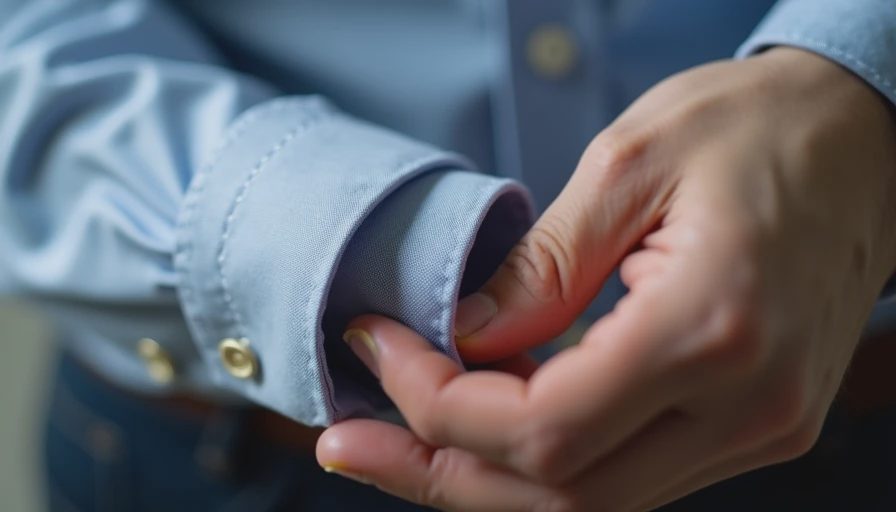
I flip the piece inside out and check these specifics:
Seams: Straight, even stitching with generous allowances
Buttons & Buttonholes: Secure, properly spaced, reinforced
Hems: Clean and even (especially on pants and sleeves)
Collars & Cuffs: Good interlining that holds shape
Zippers & Hardware: Smooth operation, branded or heavy-duty on better pieces
On jackets and chinos, I tug gently at stress points. If it feels like it might rip, it’s cheap. If it has reinforced stress areas and taped seams, it’s heading toward fair or better.
4. Price vs. Expected Longevity
Here’s my rough mental pricing guide for new items (adjust for sales and thrifting):
Generally Cheap (proceed with caution):
Basic tees under $12–15
Chinos under $25–30
Oxford shirts under $30
Fair Value Sweet Spot:
Good oxfords: $40–65
Solid chinos/jeans: $50–85
Chore coats or overshirts: $60–110
Quality crewnecks: $35–55
Often Overpriced:
Basic items with heavy branding or “streetwear” hype
Thin “premium” tees over $40
Anything claiming “luxury” at fast fashion prices
Trendy pieces that will look dated in 12 months
Real Examples I’ve Judged
Cheap but Worth It: Uniqlo Airism or Supima tees when on sale. Great for basics, but don’t expect them to last years.
Fair Winner: J.Crew Factory chinos at $50–60 on sale. Excellent fit options, decent fabric, and they hold up well with regular wear.
Overpriced Trap: A $120 “premium” basic tee with almost no structure or a $200 pair of jeans that’s basically the same as $70 alternatives but with a trendy name.
I once watched a customer buy a $95 graphic sweatshirt that felt thin and boxy. Two months later he returned it. Same day another guy got a $48 plain crewneck that still looks great years later.
How Context Changes Everything
Price judgment depends on your needs:
Daily beater items → prioritize durability and fair price
Occasional pieces → you can stretch a bit more
Thrift/secondhand → completely different math (great construction at 30% of original price wins)
Always ask: “How many times will I actually wear this, and will it still look decent after 20 washes?”
My Personal Rules of Thumb
Never pay full price for basic staples unless they’re exceptional
Sales and end-of-season are where fair becomes great value
If I’m not excited about the fabric feel, I walk away — no matter the discount
One really good piece beats three mediocre ones
As a married guy in Columbus who still hunts value, these rules keep my wardrobe useful without draining the bank account.
Building the Habit
Next time you’re shopping, give yourself five minutes per piece. Run through the checklist out loud in your head. You’ll start spotting value faster and making fewer regret purchases.
This skill compounds over time. After a few months, you’ll automatically gravitate toward fair-value pieces that actually improve your rotation instead of cluttering it.
The goal isn’t to become a snob about clothes. It’s to stop throwing money away on stuff that doesn’t serve you and start recognizing pieces that deliver real bang for the buck.
Master this judgment and you’ll dress better while spending less — exactly what Better By Fit is all about.
Look clean. Keep the change.